Independent. Publicly sourced. Alberta focused.

See where Alberta's data centre buildout is happening.

Explore an interactive map and verified directory of proposed, approved, under-construction, and operating data centres across Alberta.

ADCW Weekly

WHAT'S NEW

Meta Sturgeon permit appeal

A September 15, 2026 filing asks the Land and Property Rights Tribunal to let challenges to the Project Frost master permit proceed to a full hearing.

Why it matters: The preliminary dispute covers who may appeal and whether the permitted-use approval complied with other planning rules. The appellants cite 848 planned backup generators, large-scale fuel storage, 351 wetlands, and allegedly missing or deferred studies. These are unresolved claims, not Tribunal findings. A separate Greenlight site-grading permit takes effect October 9, 2026, unless appealed.

View project →
Travers AI Data Centre Campus

A July 22, 2026 judicial review application challenges Vulcan County's rezoning decision and is scheduled for September 29, 2026.

Why it matters: The applicant alleges procedural fairness failures and asks the court to quash the decision. Vulcan County and Eric Steeves, operating as Palliser Grid, are named as respondents. The allegations have not been adjudicated.

View project →

FingerMotion Alberta program

FingerMotion says it is advancing ten separate 9.9 MW sites across Brooks, Coronation, Fox Creek, and Vulcan, totalling 99 MW of gross generation.

Why it matters: The company has not disclosed how the sites are distributed among the campuses, exact locations, permits, or an executed customer offtake agreement. Brooks remains the only public ADCW project record; the other campuses are retained for monitoring.

View project →

Fire Technology Torrington

Kneehill County approved two additional units in April 2026 for the existing 9.5 MW cryptomining facility near Torrington.

Why it matters: The municipal record confirms a current expansion, while the carbon registry provides a separate public record of the operating facility and its legal location.

View project →

Project explorer

Data centre projects across Alberta

Verified project dataEvery record with a verifiable site is mapped. Treaty geography is a best-effort match between available boundary information and each project's published location. It provides geographic context only and does not identify affected communities or consultation.

Use +/− or your keyboard to zoom. Hold Ctrl while scrolling, or use two fingers on touchscreens.

Verified records
61
38 active + 20 operating + 3 inactive
Active buildout
38
Used for the forward-looking totals below
Municipalities
30
Across all verified records in 10 Alberta regions
Verified records6138 active + 20 operating + 3 inactivePublished daily water volume13.8 million L/dayFrom 5 of 38 active projects. Includes related power-plant water where published. Not province-wide use.
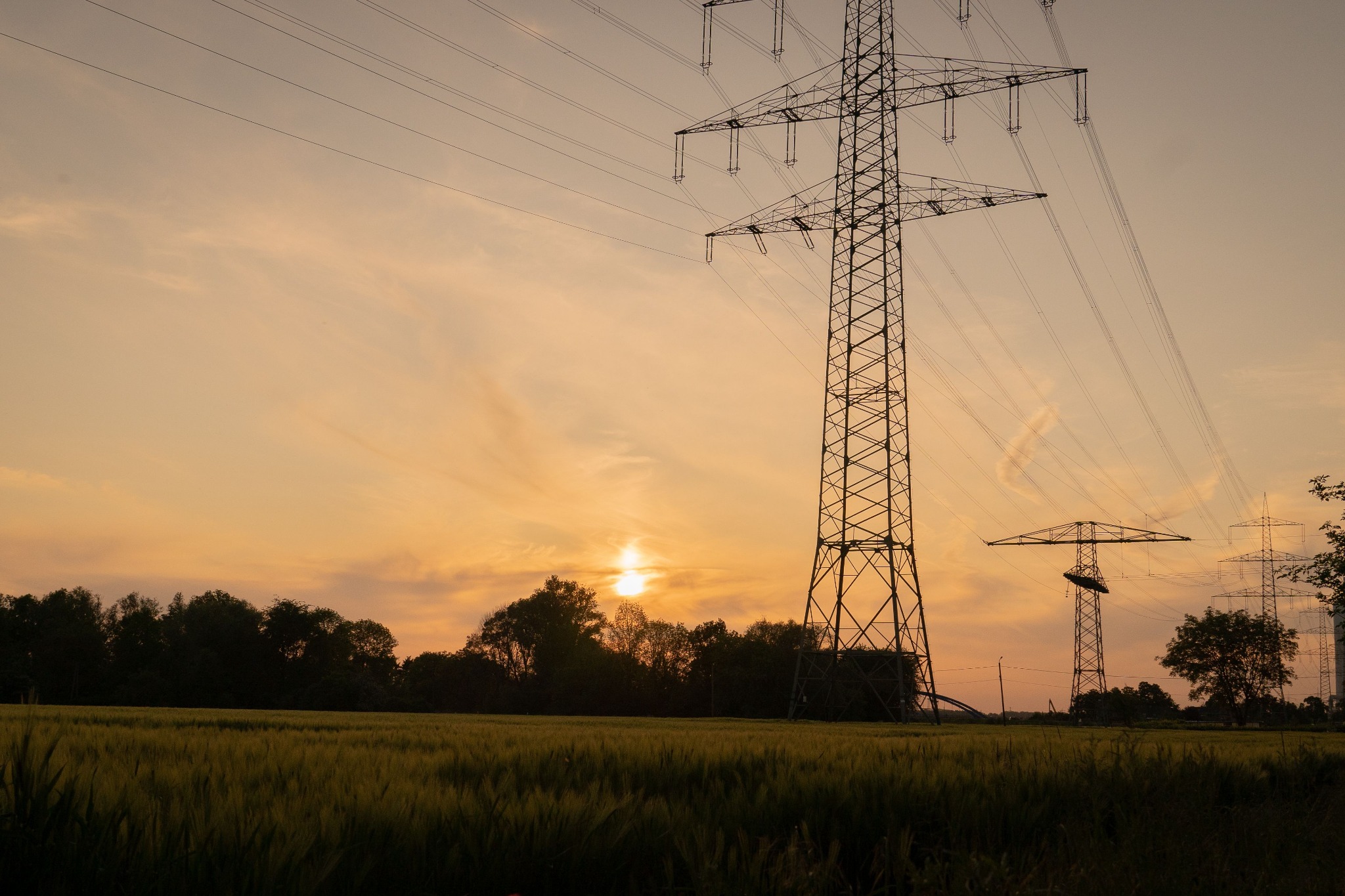
Transmission lines across a rural landscape at sunset.

Why should I care?

Large data centre campuses create new electricity demand. Meeting it can require dedicated power plants, gas pipelines, substations, cooling systems, and water infrastructure built alongside the server buildings.

Why scale matters →

Why focus on 38 projects? This graphic measures what Alberta may add next: proposed, approved, and under-construction projects. The 20 operating facilities and 3 inactive proposals remain in the full directory, but are excluded here so existing use is not mixed with proposed new demand.

Power

What the new demand could mean

Published data centre demand equals 126% of Alberta's 2025 average electricity demand.

Alberta demand comparison: AESO 2025 Annual Market Statistics.

Read the label, not just the number. Data centre load, grid capacity, and on-site generation describe different things and are tracked separately.

Why scale matters

Alberta's existing data centres are typically measured in megawatts. Some proposed data centre campuses exceed one gigawatt. The difference is not incremental. It is hundreds of times larger.

About 10.5 terawatt-hours (TWh) in one year

If a facility drew 1.2 GW continuously for a year, it would use slightly more electricity than was delivered across Calgary in all of 2025.

This illustrates the proposed maximum at full demand every hour, not the project's expected or actual use.ENMAX reports 9.8 TWh delivered in Calgary in 2025.

One portfolio: 4.5 GW. Beacon's announced six-site Alberta portfolio alone equals about 44% of Alberta's 2025 average demand.

Portfolio announcement, not operating demand or a guarantee that every site will be built.

The data centres are only part of the picture.

Large data centre campuses create new electricity demand. Meeting it can require dedicated power plants, gas pipelines, substations, cooling systems, and water infrastructure built alongside the server buildings.

Putting water demand in human terms

What does 13.8 million L/day mean?

1 m³1,000 L

This total comes from only 5 of 38 active projects.It combines comparable projected or proposed daily water volumes, including water published for related power plants. It is not measured province-wide use.

This comparison uses Alberta's 2021 residential average of 195 litres per person per day, the latest province-wide figure published by Statistics Canada. It compares volume only and does not mean the project water is potable, comes from a municipal system, or is entirely consumed.View the Statistics Canada data.

Read the label, not just the number. Water licensed, withdrawn, consumed, and returned describe different things.

Explore ADCW

Start with the question you have.

Take informed action

Find the right public body, write a focused message, and participate on the official record.

Use the action guide →

About the project

Evidence before rhetoric.

Alberta Data Centre Watch is an independent public-interest project that makes fragmented information about Alberta data centre development easier to find, compare, and understand.

ADCW is not affiliated with any government, regulator, municipality, political party, or project proponent. It tracks material data centre infrastructure across AI, hyperscale, high-performance computing, colocation, cryptocurrency, and other workloads, plus directly related power infrastructure when the connection can be documented. Ordinary internal server rooms fall outside the current scope.

Primary sources come first. Company and government claims are attributed to the people making them. Unknown information stays visible, and every material summary should lead back to an original record.

Read how ADCW verifies Alberta data centre projects →