

Independent. Publicly sourced. Alberta focused.
See where Alberta's data centre buildout is happening.
Explore verified projects, understand their potential impacts, and follow what has changed.
Use +/− or your keyboard to zoom. Hold Ctrl while scrolling, or use two fingers on touchscreens.
Operating
20 projects- O · OperatingUpdated recently4WEB Edmonton Data CentreCity of Edmonton · Commercial colocationLocation: 14315 118 Avenue NW, EdmontonTreaty geography: Treaty 6 territory
- Capacity
- Not disclosed
- Cooling
- Not disclosed
- Power
- Alberta grid · EPCOR distribution
- O · OperatingUpdated recentlyCologix CGY1City of Calgary · Commercial colocationLocation: 840 7 Avenue SW, CalgaryTreaty geography: Treaty 7 territory
- Capacity
- 400 kW facility capacity
- Cooling
- Fault-tolerant air conditioning with N+1 redundancy
- Power
- Alberta grid · ENMAX distribution
- O · OperatingUpdated recentlyDataHiveTwoCity of Calgary · Commercial colocationLocation: 4th Floor, 801 7 Avenue SW, CalgaryTreaty geography: Treaty 7 territory
- Capacity
- Not disclosed
- Cooling
- Not disclosed
- Power
- Alberta grid · ENMAX distribution
- O · OperatingUpdated recentlyEquinix Calgary CL1City of Calgary · Commercial colocationLocation: 315 8 Avenue SW, CalgaryTreaty geography: Treaty 7 territory
- Capacity
- Not disclosed
- Cooling
- N+20% cooling redundancy
- Power
- Alberta grid · ENMAX distribution
- O · OperatingUpdated recentlyEquinix Calgary CL2City of Calgary · Commercial colocationLocation: 1930 Maynard Road SE, CalgaryTreaty geography: Treaty 7 territory
- Capacity
- Not disclosed
- Cooling
- Free cooling with N+2 redundancy
- Power
- Alberta grid · ENMAX distribution
- O · OperatingUpdated recentlyEquinix Calgary CL3City of Calgary · Commercial colocationLocation: 5300 86 Avenue SE, CalgaryTreaty geography: Treaty 7 territory
- Capacity
- Not disclosed
- Cooling
- Free cooling with N+1 redundancy
- Power
- Alberta grid · ENMAX distribution
- O · OperatingUpdated recentlyeStruxture CAL-1City of Calgary · Commercial colocationLocation: 7007 54 Street SE, CalgaryTreaty geography: Treaty 7 territory
- Capacity
- 9 MW facility capacity
- Cooling
- Redundant cooling modules with hot/cold-aisle containment
- Power
- Alberta grid · ENMAX distribution
- O · OperatingUpdated recentlyeStruxture CAL-2Rocky View County · Commercial colocationLocation: 149 High Plains Place, Rocky View CountyTreaty geography: Treaty 7 territory
- Capacity
- 26 MW current capacity
- Cooling
- Waterless free cooling
- Power
- Alberta grid · Multiple utility feeds
- O · OperatingUpdated recentlyFire Technology Torrington Cryptomining FacilityKneehill County · Cryptocurrency / Bitcoin miningLocation: LSD 8, SE 28-32-26-W4M, near Torrington, Kneehill CountyTreaty geography: Treaty 7 territory
- Capacity
- 9.5 MW facility name in Alberta's carbon registry
- Cooling
- Not disclosed
- Power
- The original municipal approval paired the cryptocurrency-mining facility with micropower generation. Public records reviewed by ADCW do not establish the current generator configuration, fuel use, or measured electricity consumption.
- O · OperatingUpdated recentlyHut 8 DrumhellerDrumheller · Cryptocurrency / ASIC computeLocation: Drumheller, AlbertaTreaty geography: Treaty 7 territory
- Capacity
- 42 MW listed site capacity
- Cooling
- Not disclosed in the reviewed current sources
- Power
- The current public sources identify the site capacity but do not publish its present electricity contract, supply mix or site-specific emissions.
- O · OperatingUpdated recentlyHut 8 Medicine HatMedicine Hat · Cryptocurrency / ASIC computeLocation: 5254 Box Springs Road NWTreaty geography: Treaty 7 territory
- Capacity
- 67 MW listed site capacity
- Cooling
- Not disclosed in the reviewed current sources
- Power
- The facility was developed with municipal electricity supply
- O · OperatingUpdated recentlyQu Calgary CGY1City of Calgary · Commercial colocationLocation: 3015 5 Avenue NE, CalgaryTreaty geography: Treaty 7 territory
- Capacity
- 2.6 MW utility capacity
- Cooling
- Powered mechanical cooling with one redundant unit (N+1)
- Power
- Alberta grid · ENMAX distribution
- O · OperatingUpdated recentlyQu Calgary CGY2City of Calgary · Commercial colocationLocation: 1313 10 Avenue SW, CalgaryTreaty geography: Treaty 7 territory
- Capacity
- 1.8 MW utility capacity
- Cooling
- Powered mechanical cooling with one redundant unit (N+1)
- Power
- Alberta grid · ENMAX distribution
- O · OperatingUpdated recentlyQu Calgary CGY3City of Airdrie · AI-ready colocationLocation: 34 Highland Park Way NE, AirdrieTreaty geography: Treaty 7 territory
- Capacity
- 9 MW full-design capacity
- Cooling
- Powered mechanical cooling with one redundant unit (N+1)
- Power
- Alberta grid · FortisAlberta distribution
- O · OperatingUpdated recentlyQu Edmonton EDM1City of Edmonton · Commercial colocationLocation: 10200 102 Avenue NW, EdmontonTreaty geography: Treaty 6 territory
- Capacity
- 2.5 MW facility capacity
- Cooling
- Powered mechanical cooling with one redundant unit (N+1)
- Power
- Alberta grid · EPCOR distribution
- O · OperatingUpdated recentlyQu Edmonton EDM2City of Edmonton · AI-ready colocationLocation: 17204 114 Avenue NW, EdmontonTreaty geography: Treaty 6 territory
- Capacity
- 3 MW Tier III capacity
- Cooling
- Powered mechanical cooling with one redundant unit (N+1)
- Power
- Alberta grid · EPCOR distribution
- O · OperatingUpdated recentlyThe Internet CentreCity of Edmonton · Commercial colocationLocation: 4130 95 Street NW, EdmontonTreaty geography: Treaty 6 territory
- Capacity
- Not disclosed
- Cooling
- Not disclosed
- Power
- Alberta grid · EPCOR distribution
- O · OperatingUpdated recentlyThinkTel EdmontonCity of Edmonton · Commercial colocationLocation: 10250 101 Street NW, EdmontonTreaty geography: Treaty 6 territory
- Capacity
- Not disclosed
- Cooling
- Redundant HVAC climate control
- Power
- Alberta grid · EPCOR distribution
- O · OperatingUpdated recentlyWhipcord LDC01City of Lethbridge · Commercial colocationLocation: 3582 30 Street North, LethbridgeTreaty geography: Treaty 7 territory
- Capacity
- 2.5 MW original Phase 1 utility power
- Cooling
- Chilled-glycol system with chillers and dry coolers
- Power
- Alberta grid · City of Lethbridge distribution
- O · OperatingUpdated recentlyWolfpaw EDM1City of Edmonton · Commercial colocationLocation: 10060 Jasper Avenue, Suite 301, Tower 2, EdmontonTreaty geography: Treaty 6 territory
- Capacity
- Not disclosed
- Cooling
- Fully redundant HVAC
- Power
- Alberta grid · EPCOR distribution
Under construction
4 projects- C · Under constructionUpdated recentlyAHI Red Deer / Blindman Industrial Park AI Data CentreRed Deer County · AI / High-performance computingLocation: N Part of NW 12-39-27-4, Blindman Industrial Park, Red Deer CountyTreaty geography: Near the mapped Treaty 6 / Treaty 7 boundary
- Capacity
- 10 MW Phase 1 on-site generation
- Cooling
- Waterless cooling design reported in the provincial project listing
- Power
- 10 MW Phase 1 on-site generation using natural gas. Future hydrogen blending is proposed, not current operation.
- C · Under constructionUpdated recentlyBitdeer Fox CreekMunicipal District of Greenview No. 16 · Cryptocurrency / HPC-capableLocation: Opal Power Plant site, approximately 1.5 km south of Fox CreekTreaty geography: Treaty 8 territory
- Capacity
- Approximately 100 MW computing capacity
- Cooling
- Closed-loop dry cooling proposed
- Power
- Direct supply from an approved 101.133 MW on-site natural-gas plant, with a 99 MW AESO grid interconnection.
- C · Under constructionUpdated recentlyeStruxture CAL-3Rocky View County · AI-ready colocationLocation: 200 High Plains Common, Rocky View CountyTreaty geography: Treaty 7 territory
- Capacity
- 90 MW total facility power
- Cooling
- Closed-loop water-based air and direct-to-chip liquid cooling
- Power
- Alberta grid · FortisAlberta distribution
- C · Under constructionUpdated recentlyK-Tech and Aurora AZ Energy Compute FacilityCity of Calgary · Mixed AI / High-density computeLocation: Alberta site not publicly identified; the provincial registry categorizes the project as CalgaryTreaty geography: Treaty 7 territory
- Capacity
- 5 MW proof of concept under construction
- Cooling
- Not disclosed
- Power
- Dedicated wellhead natural-gas generation supplied by Aurora. The parties say the model may use gas that would otherwise be flared, but project-specific fuel volumes and emissions are not disclosed.
Approved
6 projects- A · ApprovedUpdated recently2661707 Alberta Ltd. Greenview Data Processing CentresMunicipal District of Greenview No. 16 · AI / General-purpose computingLocation: Kaybob North area, M.D. of Greenview No. 16Treaty geography: Treaty 8 territory
- Capacity
- Not disclosed
- Cooling
- Not disclosed
- Power
- Proposed on-site natural-gas generation at each location. Greenview's March 2026 reports describe each generator as less than 1 MW
- A · ApprovedUpdated recentlyAthill Carbon-Area Data CentreKneehill County · Data centre / Workload undisclosedLocation: Part of SE 24-28-24-W4M, approximately 10 km southwest of Carbon, Kneehill CountyTreaty geography: Treaty 7 territory
- Capacity
- 9.97 MW approved natural-gas generation
- Cooling
- Not disclosed
- Power
- AUC Approval 29239-D02-2024 authorizes a 9.97 MW natural-gas power plant. The record establishes generation capacity, not the data centre's computing load or continuous electricity use.
- A · ApprovedUpdated recentlyEmerson Trail Data CentreCounty of Grande Prairie No. 1 · Data centre / Workload undisclosedLocation: SW-14-73-6-W6, 732041 Range Road 62, Emerson Trail Industrial Area, County of Grande PrairieTreaty geography: Treaty 8 territory
- Capacity
- Not disclosed
- Cooling
- Fifteen makeup-air/cooling structures listed in the municipal permit; system design not publicly confirmed
- Power
- The municipal permit register lists 15 generator structures but does not establish their electrical capacity, fuel, purpose, installation, or a confirmed source of power for the facility.
- A · ApprovedUpdated recentlyPathfinder Rocky 5 Bitcoin Mining ProjectClearwater County · Cryptocurrency / Bitcoin miningLocation: NE and SE 28-42-8-W5M, near Rocky Mountain House, Clearwater CountyTreaty geography: Treaty 6 territory
- Capacity
- 60 MW approved natural-gas generation
- Cooling
- Not disclosed
- Power
- The AUC approval covers fifty 1.2 MW natural-gas generators for 60 MW total. Ten megawatts had been installed when Pathfinder sought its 2025 extension
- A · ApprovedUpdated recentlySturgeon Data CentreSturgeon County · Hyperscale / AILocation: 56111 Range Road 223, Alberta Industrial HeartlandTreaty geography: Treaty 6 territory
- Capacity
- 1 GW announced data centre capacity
- Cooling
- Closed-loop liquid cooling with dry cooling
- Power
- 250 MW Capital Power supply agreement, plus an approved 932 MW dedicated natural-gas plant planned for later service.
- A · ApprovedUpdated recentlyWoodcote Big Lakes Cryptocurrency FacilityBig Lakes County · Cryptocurrency miningLocation: SW 7-76-9-W5, north of Lesser Slave Lake Narrows, Big Lakes CountyTreaty geography: Treaty 8 territory
- Capacity
- Not disclosed
- Cooling
- Air cooling with fans, according to the County application report
- Power
- The County's September 22, 2026 application report says an on-site natural-gas generator would supply the mining equipment. The applicant expects associated generation below 1 MW, but the report gives no exact capacity or measured electricity use.
Proposed
33 projects- P · ProposedUpdated recentlyArmada Nowlit Data Centre Southeast of CliveLacombe County · Mixed AI / CryptocurrencyLocation: 40205 Range Road 243, LSD 8-16-040-24 W4M, Lacombe CountyTreaty geography: Treaty 6 territory
- Capacity
- 19.8 MW proposed on-site generation
- Cooling
- Closed-loop dry cooling proposed
- Power
- Proposed 19.8 MW on-site natural-gas generation with biofuel capability. No active project-specific Clive AUC proceeding was identified
- P · ProposedUpdated recentlyArmada Nowlit Wabasca / Hoole Data CentreMunicipal District of Opportunity No. 17 · Cryptocurrency miningLocation: 16-36-080-25 W4M, Hoole area, M.D. of OpportunityTreaty geography: Treaty 8 territory; regional context only
- Capacity
- 19.8 MW on-site natural-gas generation under AUC review
- Cooling
- Closed-loop cooling proposed
- Power
- A 19.8 MW behind-the-fence natural-gas facility is under AUC review. The application proposes no Alberta Interconnected Electric System connection or power export.
- P · ProposedUpdated recentlyBantry Data SiteBantry region · AI / High-performance computingLocation: Bantry area, southern AlbertaTreaty geography: Not yet verified
- Capacity
- Not disclosed
- Cooling
- Not disclosed
- Power
- Not disclosed
- P · ProposedUpdated recentlyBeacon Chestermere AI Data Center HubCity of Chestermere · AI / High-performance computingLocation: Pt. N ½ 35-23-28-W4, southern ChestermereTreaty geography: Treaty 7 territory
- Capacity
- Approximately 400 MW proposed at full build
- Cooling
- Not disclosed
- Power
- Grid supply through a transmission extension and dedicated substation is proposed. Backup generation details are not confirmed.
- P · ProposedUpdated recentlyBeacon Foothills AI Data Center HubFoothills County · AI / High-performance computingLocation: NE and SE 09-19-28 W4M, east of High RiverTreaty geography: Treaty 7 territory
- Capacity
- 400 MW proposed data centre campus
- Cooling
- Not disclosed
- Power
- 400 MW on-site generation proposed
- P · ProposedUpdated recentlyBeacon Harry Smith AI Data Center HubParkland County · AI / High-performance computingLocation: Range Road 264 at Township Road 524, Parkland CountyTreaty geography: Treaty 6 territory
- Capacity
- 400 MW AESO connection request
- Cooling
- Not disclosed
- Power
- Proposed 400 MW connection to Alberta's interconnected grid
- P · ProposedUpdated recentlyBeacon Heartland AI Data Center HubSturgeon County · AI / High-performance computingLocation: NW and SW 15-56-22-W4M, approximately 7 km east of GibbonsTreaty geography: Treaty 6 territory
- Capacity
- 800 MW proposed data centre load
- Cooling
- Air-cooled power generation; data-centre cooling design not final
- Power
- Proposed 920 MW on-site natural-gas generation
- P · ProposedUpdated recentlyBeacon Indus Data Center HubRocky View County · AI / High-performance computingLocation: SW, SE, NW and part of NE 11-23-28-W4M, northwest of IndusTreaty geography: Treaty 7 territory
- Capacity
- 1.2 GW proposed data centre load
- Cooling
- Air-cooled and closed-loop systems proposed
- Power
- Proposed 1.494 GW on-site natural-gas generation
- P · ProposedUpdated recentlyBeacon Saunders Lake AI Data Center HubLeduc County · AI / High-performance computingLocation: SW 7-50-24-W4M, Leduc County; existing marker approximateTreaty geography: Treaty 6 territory
- Capacity
- 400 MW AESO connection request
- Cooling
- Not disclosed
- Power
- 400 MW grid connection requested
- P · ProposedUpdated recentlyBoreal Technology HubParkland County · Data centre / Workload undisclosedLocation: Keephills generating station site, Parkland CountyTreaty geography: Treaty 6 territory
- Capacity
- 230 MW initial grid-load contract
- Cooling
- Not disclosed
- Power
- TransAlta would provide the site and electricity. The final mix of grid power, existing generation, and any new equipment is not confirmed.
- P · ProposedUpdated recentlyCrusoe Alsike Energy Park Data CentreBrazeau County · AI / High-performance computingLocation: Near Warburg, Brazeau CountyTreaty geography: Treaty 6 territory
- Capacity
- 170 MW related power plant
- Cooling
- Not disclosed
- Power
- Planned 170 MW co-located natural-gas plant, with Crusoe expected to buy power under a minimum 15-year power purchase agreement.
- P · ProposedUpdated recentlyCrusoe Myers Energy Park Data CentreRed Deer County · AI / High-performance computingLocation: Near Lacombe, Red Deer CountyTreaty geography: Near the mapped Treaty 6 / Treaty 7 boundary
- Capacity
- 170 MW related power plant
- Cooling
- Not disclosed
- Power
- Planned 170 MW co-located natural-gas plant, with Crusoe expected to buy power under a minimum 15-year power purchase agreement.
- P · ProposedUpdated recentlyData District Bonnyville Region FacilityBonnyville region · AI / High-performance computingLocation: Bonnyville regionTreaty geography: Treaty 6 territory
- Capacity
- Not disclosed
- Cooling
- Not disclosed
- Power
- Not publicly confirmed for the Bonnyville site.
- P · ProposedUpdated recentlyData District Olds FacilityTown of Olds · AI / High-performance computingLocation: Olds, AlbertaTreaty geography: Treaty 7 territory
- Capacity
- 55 MW announced Olds facility
- Cooling
- Not disclosed
- Power
- Alberta grid · FortisAlberta distribution
- P · ProposedUpdated recentlyEdmonton Energy & Technology Park AI Data CentreCity of Edmonton · AI data centre (planning application)Location: 34 Street NW and 50 Street NW application lands, Edmonton Energy and Technology Park, northeast EdmontonTreaty geography: Treaty 6 territory
- Capacity
- Not disclosed
- Cooling
- Not disclosed
- Power
- Not publicly confirmed
- P · ProposedUpdated recentlyFingerMotion Brooks Campus ZoneCounty of Newell · AI / High-performance computingLocation: Brooks Campus #1, County of NewellTreaty geography: Treaty 7 territory
- Capacity
- 9.9 MW proposed on-site generation
- Cooling
- Not disclosed
- Power
- Proposed 9.9 MW on-site natural-gas generation. Existing generators are excluded from the acquisition and must be removed before closing
- P · ProposedUpdated recentlyFingerMotion Hanna Campus #1Town of Hanna · AI / High-performance computingLocation: 409 Pioneer Trail South, Hanna, AlbertaTreaty geography: Treaty 7 territory
- Capacity
- 3 MW proposed on-site generation
- Cooling
- Not disclosed
- Power
- The October 1, 2026 company disclosure proposes 3 MW of local grid supply plus 3 MW of behind-the-meter natural-gas generation, described as 6 MW of contemplated campus capacity. These supply components are not a verified computing-load figure
- P · ProposedUpdated recentlyGayford Integrated Energy and Data FacilityRocky View County · Data processing / Workload undisclosedLocation: LSD 12, SE 35-26-25-W4M, near Gayford, Rocky View CountyTreaty geography: Treaty 7 territory
- Capacity
- 19.95 MW proposed on-site generation
- Cooling
- Not disclosed
- Power
- The municipal plan proposes up to 20 MW of natural-gas generation for exclusive on-site use, with no connection or export to the Alberta grid.
- P · ProposedUpdated recentlyGenesee Data Centre SiteLeduc County · Data centre / Workload undisclosedLocation: 50444 Highway 770, Leduc CountyTreaty geography: Treaty 6 territory
- Capacity
- 1.5 GW across two AESO connection requests
- Cooling
- Not disclosed
- Power
- Existing 1,857 MW Genesee natural-gas generation site
- P · ProposedUpdated recentlyGoldfinch Technology Park Data CentreWheatland County · Data centre / Workload undisclosedLocation: Approximately 3.3 km west of Carseland, southwest of Highway 24 and Township Road 222Treaty geography: Treaty 7 territory
- Capacity
- 950 MW AESO connection request
- Cooling
- Final cooling design not selected
- Power
- Proposed Alberta grid supply through AESO P3102
- P · ProposedUpdated recentlyHubOne AI and BTC High Density Compute ParkWheatland County · Mixed AI / CryptocurrencyLocation: Wheatland CountyTreaty geography: Treaty 7 territory
- Capacity
- At least 750 MW of planned AI capacity
- Cooling
- Not disclosed
- Power
- Up to 3 GW of planned on-site generation is described for the mixed AI and Bitcoin park
- P · ProposedUpdated recentlyKakwa Data Processing CentreMunicipal District of Greenview No. 16 · Cryptocurrency miningLocation: SE-23-63-5-W6M, Kakwa area, M.D. of GreenviewTreaty geography: Treaty geography not established in the reviewed sources
- Capacity
- Up to 9.9 MW in the recommended municipal permit
- Cooling
- Not disclosed
- Power
- The AUC approved an 8.40 MW isolated natural-gas power plant. The Crown disposition requires standalone power and prohibits use of the Alberta Interconnected Electric System.
- P · ProposedUpdated recentlyMalachite One Data CentreYellowhead County · AI / High-performance computingLocation: Crown land adjacent to the Banshee Gas Plant, approximately 40 km southwest of EdsonTreaty geography: Treaty 6 territory
- Capacity
- 930 MW proposed on-site generation at full build
- Cooling
- Primarily closed-loop air-based cooling, with supplementary evaporative cooling proposed
- Power
- The concept combines up to 930 MW of on-site natural-gas generation with AESO's active 74.9 MW P3114 grid-load request.
- P · ProposedUpdated recentlyMihta Askiy Data CentreNorthern Sunrise County · AI / High-performance computingLocation: Former Carmon Creek site, approximately 40 km northeast of Peace RiverTreaty geography: Treaty 8 territory
- Capacity
- 650 MW proposed data centre load at full build
- Cooling
- Closed-loop data-centre cooling proposed
- Power
- Proposed 650 MW on-site natural-gas generation with a planned grid connection
- P · ProposedUpdated recentlyNewell Data Center MPC LoadCounty of Newell · Data centre / Workload undisclosedLocation: Brooks / County of Newell areaTreaty geography: Treaty 7 territory
- Capacity
- 1.2 GW AESO connection request
- Cooling
- Not disclosed
- Power
- Proposed Alberta grid connection through AESO Project P3109
- P · ProposedUpdated recentlyPrairie Sky Strathmore CampusTown of Strathmore · AI-ready colocationLocation: Strathmore, AlbertaTreaty geography: Treaty 7 territory
- Capacity
- 50 MW full-build roadmap
- Cooling
- Prairie Sky says direct liquid cooling is designed for rack densities up to 150 kW
- Power
- Company says expansion depends on securing additional power and infrastructure.
- P · ProposedUpdated recentlyStratGrid Project WheatlandWheatland County · AI / High-performance computingLocation: Wheatland CountyTreaty geography: Treaty 7 territory
- Capacity
- Approximately 200 MW designed generation capacity
- Cooling
- Closed-loop immersion-ready design proposed
- Power
- Proposed on-site, behind-the-meter natural-gas generation. The reported capacity is a company design, not approved or operating generation.
- P · ProposedUpdated recentlyTeton Digital Black Bear CampusSwan Hills region · AI / High-performance computingLocation: Approximately 19 km south of Swan HillsTreaty geography: Treaty 8 territory
- Capacity
- 466 MW proposed gas generation
- Cooling
- Not disclosed
- Power
- Proposed 466 MW behind-the-meter natural-gas combined-cycle generation
- P · ProposedUpdated recentlyTeton Digital Northern Forge CampusMunicipal District of Greenview No. 16 · AI / High-performance computingLocation: Municipal District of Greenview No. 16Treaty geography: Treaty 8 territory
- Capacity
- 200 MW proposed gas-to-compute capacity
- Cooling
- Not disclosed
- Power
- Proposed 200 MW behind-the-meter natural-gas generation
- P · ProposedUpdated recentlyTravers AI Data Centre CampusVulcan County · Hyperscale / AILocation: Section 14, Township 15, Range 21, west of the Fourth MeridianTreaty geography: Treaty 7 territory
- Capacity
- Up to 2,000 MW planning target
- Cooling
- Closed-loop liquid cooling and heat rejection under study
- Power
- A new 500 kV substation and two transmission feeds are proposed
- P · ProposedUpdated recentlyWave Infrastructure Junction 42 AI Research LabRed Deer County · AI / High-performance computingLocation: Lot 24, Junction 42 Business Park, Red Deer County, near PenholdTreaty geography: Treaty 7 territory
- Capacity
- Approximately 5 MW critical compute target
- Cooling
- Not disclosed
- Power
- Wave targets approximately 7–8 MW of facility power. The supply design, grid connection, and regulatory approvals remain unverified.
- P · ProposedUpdated recentlyWild Rose Power Hub Data CentreRocky View County · Data centre / Workload undisclosedLocation: Southwest of Langdon, Rocky View CountyTreaty geography: Treaty 7 territory
- Capacity
- 1.3 GW AESO connection request
- Cooling
- Closed-loop dry cooling proposed
- Power
- Alberta grid proposed
- P · ProposedUpdated recentlyWonder Valley AI Data Centre ParkMunicipal District of Greenview No. 16 · Hyperscale / AILocation: Greenview Industrial Gateway, approximately 42 km south of Grande PrairieTreaty geography: Treaty 8 territory
- Capacity
- Up to 1 GW of Phase 1 data centre IT load
- Cooling
- Reuse and recirculation under study
- Power
- Proposed off-grid on-site natural-gas generation. The current FAQ describes up to 2 GW for Phase 1 and 7.5 GW over the long term
Inactive
4 projects- I · InactiveUpdated recentlyCrusoe Crossfield / Lone Pine Energy Park Data CentreRocky View County · AI / High-performance computingLocation: Crossfield Energy Park, Rocky View CountyTreaty geography: Treaty 7 territory
- Capacity
- 170 MW original power-plant concept
- Cooling
- Not disclosed
- Power
- The withdrawn proposal paired the data centre with a planned natural-gas plant: 170 MW in the original framework and 200 MW initial generation in KALiNA's October 2025 portfolio. AESO lists the related 178 MW gas-generation request as recently cancelled.
- I · InactiveUpdated recentlyFire Technology Ewing Lake Data Processing CentreCounty of Stettler No. 6 · Cryptocurrency / Bitcoin miningLocation: NE 33-36-21-W4M, Ewing Lake area, County of Stettler No. 6Treaty geography: Treaty 6 territory
- Capacity
- 9.9 MW power component retained in Tribunal decision
- Cooling
- Not disclosed
- Power
- The Tribunal preserved approval of the nine-generator, 9.9 MW natural-gas power component under revised conditions. This does not authorize the revoked Bitcoin-mining use or confirm operating generation.
- I · InactiveUpdated recentlyKineticor Data Centre CampusRocky View County · AI / High-performance computingLocation: North of Highway 566 and west of Range Road 281, Rocky View CountyTreaty geography: Treaty 7 territory
- Capacity
- Not disclosed
- Cooling
- Low-water cooling concept
- Power
- Not disclosed
- I · InactiveUpdated recentlySynapse Olds Data CentreTown of Olds · Hyperscale / AILocation: 04-33-1-W5M, at Highway 2A and Highway 27, OldsTreaty geography: Treaty 7 territory
- Capacity
- 1 GW proposed data centre capacity
- Cooling
- Closed-loop data-centre cooling proposed
- Power
- No approved power source identified
No verified projects match those filters.
- Verified records
- 67 43 active + 20 operating + 4 inactive
- Active buildout
- 43 Used for the forward-looking totals below
- Municipalities
- 33 Across all verified records in 10 Alberta regions
- 500 kV
- 240 kV
- 138–144 kV
- 69–72 kV
- CODERS node, shown when zoomed in
- Solar
- Wind
- Natural gas
- Hydroelectric
- Biomass
- Coal
- Closed in CODERS snapshot
Why focus on 43 projects? This graphic measures what Alberta may add next: proposed, approved, and under-construction projects. The 20 operating facilities and 4 inactive proposals remain in the full directory, but are excluded here so existing use is not mixed with proposed new demand.
Why should I care?
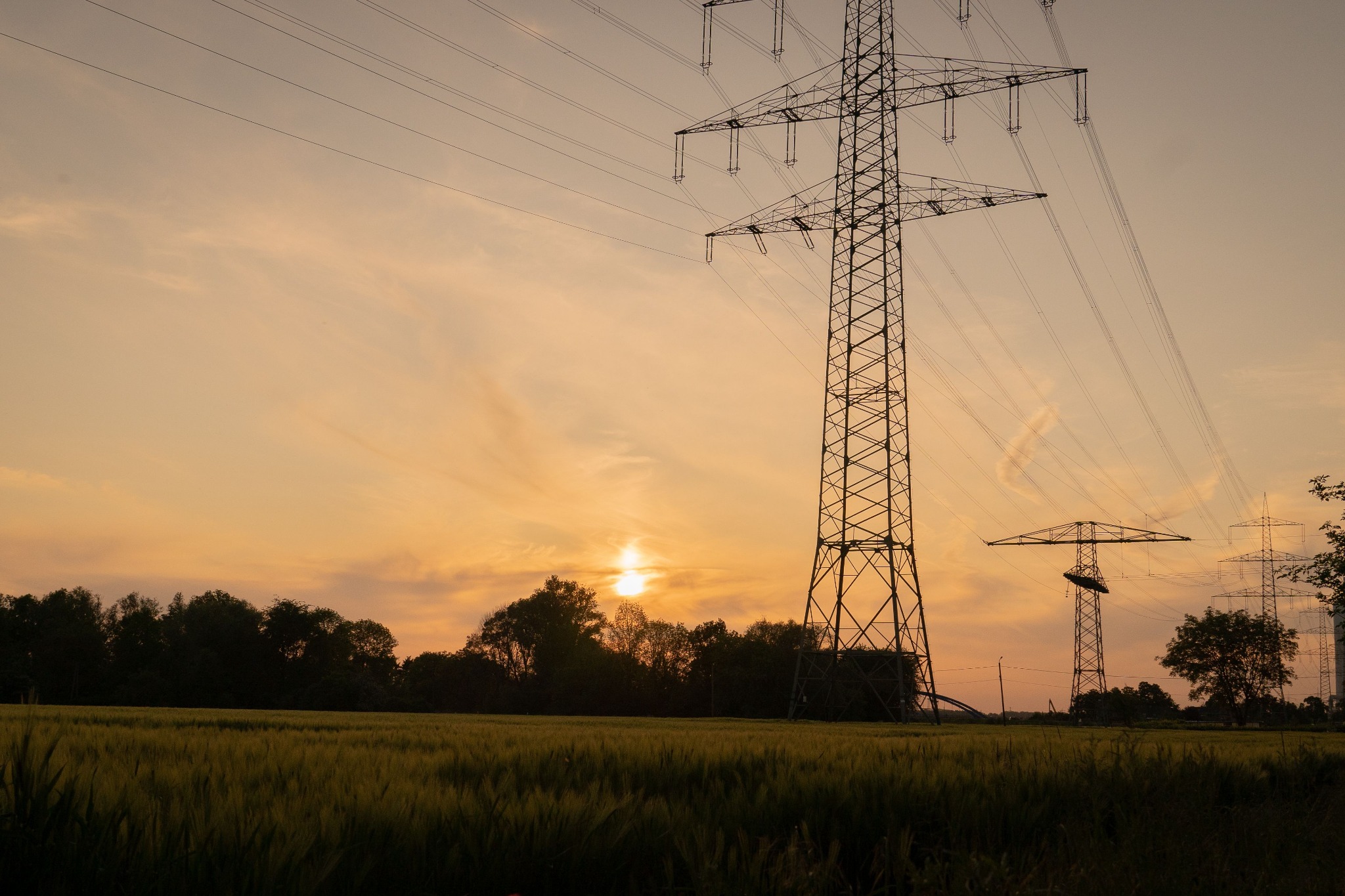
Large data centre campuses create new electricity demand. Meeting it can require dedicated power plants, gas pipelines, substations, cooling systems, and water infrastructure built alongside the server buildings.
Power
What the new demand could mean
Published data centre demand equals 126% of Alberta's 2025 average electricity demand.
Alberta demand comparison: AESO 2025 Annual Market Statistics.
Read the label, not just the number. Data centre load, grid capacity, and on-site generation describe different things and are tracked separately.
Why scale matters
Alberta's existing data centres are typically measured in megawatts. Some proposed data centre campuses exceed one gigawatt. The difference is not incremental. It is hundreds of times larger.
About 10.5 terawatt-hours (TWh) in one year
If a facility drew 1.2 GW continuously for a year, it would use slightly more electricity than was delivered across Calgary in all of 2025.
This illustrates the proposed maximum at full demand every hour, not the project's expected or actual use.ENMAX reports 9.8 TWh delivered in Calgary in 2025.
One portfolio: 4.5 GW. Beacon's announced six-site Alberta portfolio alone equals about 44% of Alberta's 2025 average demand.
Portfolio announcement, not operating demand or a guarantee that every site will be built.
The data centres are only part of the picture.
Large data centre campuses create new electricity demand. Meeting it can require dedicated power plants, gas pipelines, substations, cooling systems, and water infrastructure built alongside the server buildings.
Putting water demand in human terms
What does 13.8 million L/day mean?
1 m³1,000 L
13.8 million L/day
Residential water use for about 70,700 Albertans
in a single dayThis total comes from only 5 of 43 active projects.It combines comparable projected or proposed daily water volumes, including water published for related power plants. It is not measured province-wide use.
This comparison uses Alberta's 2021 residential average of 195 litres per person per day, the latest province-wide figure published by Statistics Canada. It compares volume only and does not mean the project water is potable, comes from a municipal system, or is entirely consumed.View the Statistics Canada data.
Read the label, not just the number. Water licensed, withdrawn, consumed, and returned describe different things.
About the project
Evidence before rhetoric.
Alberta Data Centre Watch is an independent public-interest project that makes fragmented information about Alberta data centre development easier to find, compare, and understand.
ADCW is not affiliated with any government, regulator, municipality, political party, or project proponent. It tracks material data centre infrastructure across AI, hyperscale, high-performance computing, colocation, cryptocurrency, and other workloads, plus directly related power infrastructure when the connection can be documented. Ordinary internal server rooms fall outside the current scope.
Primary sources come first. Company and government claims are attributed to the people making them. Unknown information stays visible, and every material summary should lead back to an original record.
Read how ADCW verifies Alberta data centre projects →